Text from this review not to be used without authorization.
Please contact:

Stanley Baker produced and stars in this dark and realistic crime film from director Peter Yates. Optimum R2 DVD.
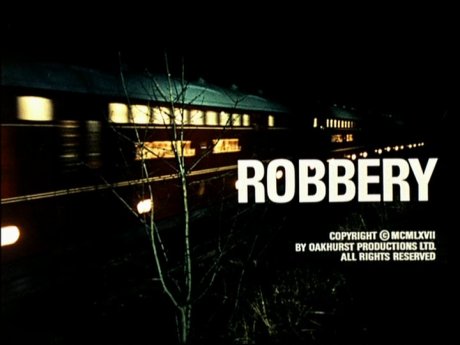
The 1960s were the heyday of the British crime film with plenty of elaborate heists carried out onscreen, but in 1963 the real life crooks put the film stars to shame with one of the audacious robberies of all time, as a high speed mail train was stopped at a rigged signal and robbed of over two million pounds. Four years later Stanley Baker and producer Joseph Levine, who had worked together on the highly sucessful war epic Zulu (1964), decided to dramatise it.
A precision heist in the middle of a busy London street sees a group of crooks lift an expensive stash of diamonds. Their leader, Paul (Stanley Baker) recommends that they invest this wealth into a bigger job, rather than just dividing it up and they start work on the biggest heist of the age. Their plan is to stop and rob a mail train which carries used bank notes, but they need a lot of help from different underworld groups and careful negotiations to keep everyone onside. Meanwhile, the police become suspicious that something big is going on, but have no leads to follow...
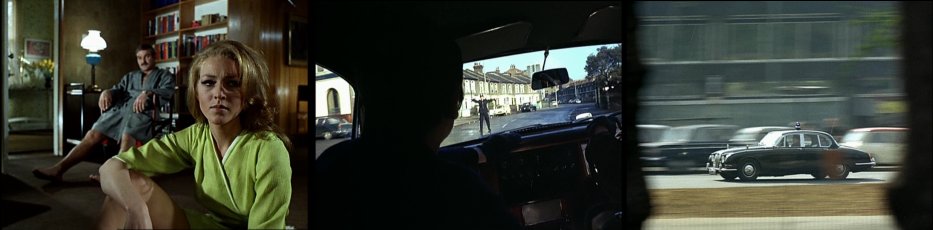
The film starts in a rather typical heist movie fashion, showing the gang's "previous job". More than just a chance to get the film moving and give it an action packed and surprisingly tense opening, the sequence also provides a good backing to the main story, making clear from the get-go that this is no chance gang - their heist is meticulously planned - it also helps to explain how they are able to afford to mount such a large scale robbery later on. As expected, we then move on to the conception and planning of the train job. Largely dialogue based, the planning sequences show us the meticulous detail that has gone into the heist, without ever becoming obsessive or dragging. Similarly we get enough detail of the police force to make them into characters, but are never bogged down in police proceedural details.
The characters as quite well fleshed out in this middle sequence and in keeping with the film's very realistic atmosphere they are all more than just clichés - there are none who are 'evil', or particularly sympathetic - all of the criminals are just there because it is the life they have chosen and they seem to view it as a straight forward career choice. However, in contrast to the social realist crime films of the early 1960s, Robbery sheds little light on the background or private lives of any of the characters on either side of the law - we do get a look at Paul's home life but it is only brief. Rather suddenly we enter the heist itself (almost a little too suddenly - it takes a minute to realise that they are no longer on a test run) and this sequence follows the events of the real life Train Robbery very closely. The remainder of the film never boasts an action climax like the start but flows well to a well written ending.

Peter Yates in the director's chair gives the film a very realistic atmosphere - the opening heist sets the tone with use of handheld cameras that provide an immediate, gritty, almost documentary style to the picture. The subsequent car chase is simply superb - shot mostly with hand-held cameras inside the cars (incredibly without any optical effects or sped up footage) it makes the sequence genuinely thrilling - even the exterior shots are not sped up and there is some superb stunt work on display on the real urban roads. Unfortunately some rather confusing editing makes the end of the chase a little less effective. Incidentally it was this sequence that got Yates the directing role for Bullitt (1968) when it was seen by that film's lead actor Steve McQueen.
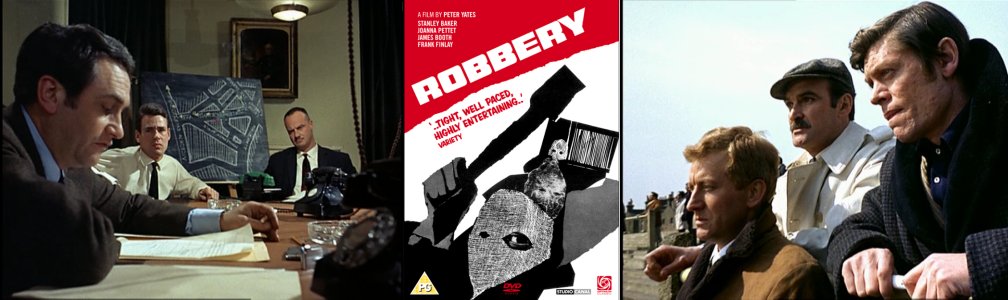
The body of the film is generally well directed with lots of good locations - a meeting of the criminals at a football match is a real highlight - helping to avoid this chapter of the film becoming stale with its numerous dialogue sequences. The heist itself is well shot, all of the train shots are specially filmed and not just stock footage (which helps to avoid the usual 'changing train' problems) - an English Electric Class 40 is even used at the head of the train, the same type as was hauling the real Great Train Robbery service. The only major goof in the film comes here when the high speed train seems to be able to stop in just a few yards (rather than the half mile it would probably take). Jazz musician Johnny Keating gives the film a classic heist movie soundtrack although the music is only used quite sparingly - in the heist chase in particular Yates chooses to emphasise the sounds of the cars instead.

Stanley Baker had been on the biggest names in British cinema in the early 1960s but his reputation suffered a little after the poor performace of his self-produced Sands of the Kalahari (1965). Still, it was decided that the film would sell just fine with Baker in the title role and he pulls it off with aplomb. Although tough, he never comes across as brutal or particularly unpleasant and fits in well with the realistic tone of the whole production. A strong supporting cast, including a rather dashing young Frank Finlay (The Three Musketeers (1973)) and James Booth (Zulu (1964)) provide a good backing. In minor roles a careful viewer should spot John Savident (Coronation Street's iconic Fred Elliot) making his film debut and Frank Williams (Dad's Army's Vicar).
Robbery is a very realistic depiction of the heist that shocked the nation (although the build-up and conclusion are all fictional). Although the synopsis is rather formulaic, the film is very well written and superbly directed, boasting one of the best car chases ever filmed. Stanley Baker provides another strong performance, one of the last big roles in his career. Any fans of Baker or heist films will find a lot to enjoy here and the film comes recommended.
| Anyone famous in it? | Stanley Baker - the popular British actor who also lead the heist in earlier crime film Prize of Arms (1962) |
| Directed by anyone interesting? | Peter Yates - after making his name directing Cliff Richard in the musical Summer Holiday (1963) it was Robbery that got him noticed and called by Steve McQueen to helm Bullitt (1968). |
| Any gore or violence ? | The robbery sequence has some scuffles, but nothing particularly brutal. |
| Any sex or nudity? | None. |
| Who is it for? | Fans of Stanley Baker and Brit-crime will certainly enjoy this and of interest to Hammer fans. |
| Visuals | Open-matte - 1.33:1 fullscreen. Colour. The film quality is strong with good colours and only light grain. No visible damage. |
| Audio | English mono. Sounds good although rather on the quiet side. |
| Subtitles | None. |
| Extras | None |
| Region | Region 2 (UK, Europe) - PAL |
| Other regions? | None known. |
| Cuts? | None known. The print is English language. |